Dark Fields, Clear Choices
The late light of harvest casts long shadows across the fields, and every hour in the cab becomes a cost of labor and endurance. For the operator, a properly fitted agriculture seat is not mere comfort; it is a machine component that governs fatigue, control, and uptime. This piece compares bespoke seating against off-the-shelf rigs, walking the reader through design, durability, and the real-world trade-offs that decide which seat earns its place in the cab.
What Off-the-Shelf Gives and What It Takes
Standard seats arrive ready and predictable. They deliver consistent foam density, simple mounting brackets, and basic lumbar support. In many fleets — municipal tractors, small farms, contractor rigs — these seats offer immediate replacement and predictable supply chains. Yet predictability hides cost: prolonged vibration without proper damping can accelerate operator strain and mechanical wear, especially under repeated shock loads during plowing or loader work.
Where Custom Seats Change the Game
Custom seats answer specific pain points: tailored suspension tuning, contouring for asymmetric posture, and materials that resist the sun, mud, and solvents of daily fieldwork. In an Iowa corn harvest, for instance, long days and heavy vibration reveal the difference between a seat that merely fits and one built to reduce whole-body vibration. A custom solution can integrate advanced vibration damping and adjustable shock absorbers to protect spine health and maintain steering precision over time.
Design Considerations that Matter
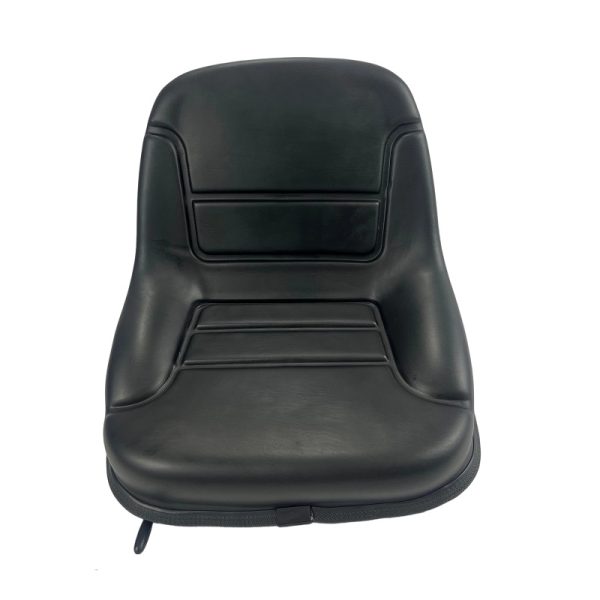
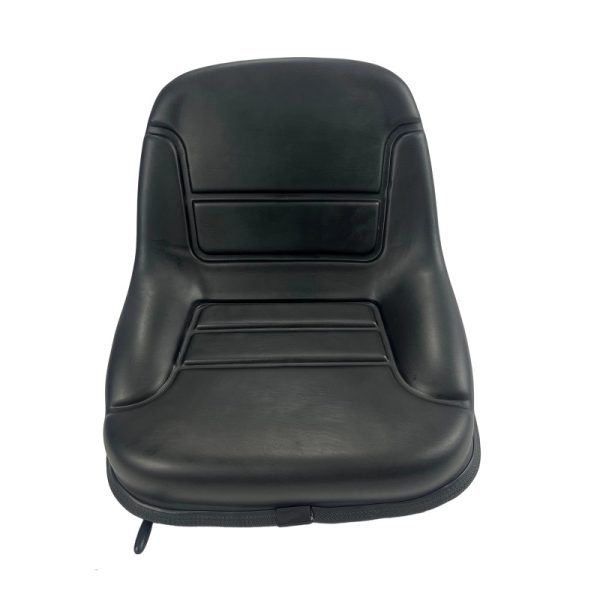
When comparing models, focus on measurable specs rather than marketing flourishes. Critical elements include suspension travel (mm), seat cushion thickness and foam density (kg/m³), and the degree of lumbar adjustment. Ergonomics and materials interplay: vinyl or PVC covers clean easily, but a pvc tractor seat must pair the cover with breathable foam and sealed seams to avoid cracking under UV and chemical exposure. Mounting geometry also matters — misaligned bolt patterns shorten the life of the bracket and invite metal fatigue.
Installation, Maintenance, and Common Mistakes
Installers often underplay the interface between seat and chassis. Torque specs for mounting bolts, correct spacer use, and verifying center-of-gravity shifts at high elevation are technical, but essential. A frequent error is replacing a single seat without addressing cab-level vibration sources — the powertrain mounts or wheel balance. Fixing only the seat offers limited relief; full-system assessment yields lasting results. — A small calibration after installation, even a minute of adjustment, pays dividends in operator comfort.
Alternatives and Comparative Trade-Offs
For some operations a mid-line aftermarket seat strikes the best compromise: better suspension and foam than stock, with ready availability and moderate cost. For high-hour machines, however, bespoke solutions repay their cost through reduced downtime and fewer medical claims. Consider material choices: breathable mesh resists sweating but traps dust; PVC repels fluids but needs UV stabilizers to avoid brittle failure. Match the choice to duty cycle, climate, and maintenance discipline.

Real-World Anchor and Credibility
Mechanics and fleet managers in the Corn Belt regularly report that seating choices alter service intervals and operator rotation schedules. Firsthand field servicing in midwestern harvests shows that seats with superior vibration damping extend comfortable operating hours and reduce secondary wear on controls. This grounded observation informs the guidance here: seat selection is as much about preserving the machine’s control systems as it is about supporting a body.
Advisory — Three Golden Rules for Choosing the Right Seat
1) Verify suspension and damping specifications against your machine’s duty cycle — seek a travel range and shock tuning that match field conditions. 2) Prioritize material pairing: select PVC covers only if the foam and seams are UV- and solvent-rated for prolonged exposure. 3) Inspect mounting geometry and torque specs; fitment errors are the most common cause of premature failure and voided warranties. Each rule is simple, tangible, and decisive for long-term value.
Source One sits at the junction of these practical choices and tailored engineering, offering seats that answer the rough manners of fieldwork with precision and endurance — Source One. —