Introduction
Have you ever wondered why a part that seemed simple keeps failing quality checks? CNC lathe manufacturers see this problem every week, and sometimes the data is hard to ignore: scrap rates climbing by 2–5% after a small process change. I’ve watched shops scramble to fix feeds, speeds, and setups (and yes, I’ve been there too). What really makes machines underperform — is it the tool, the program, or our assumptions about the job? Let’s start peeling that back and move to the specifics next.
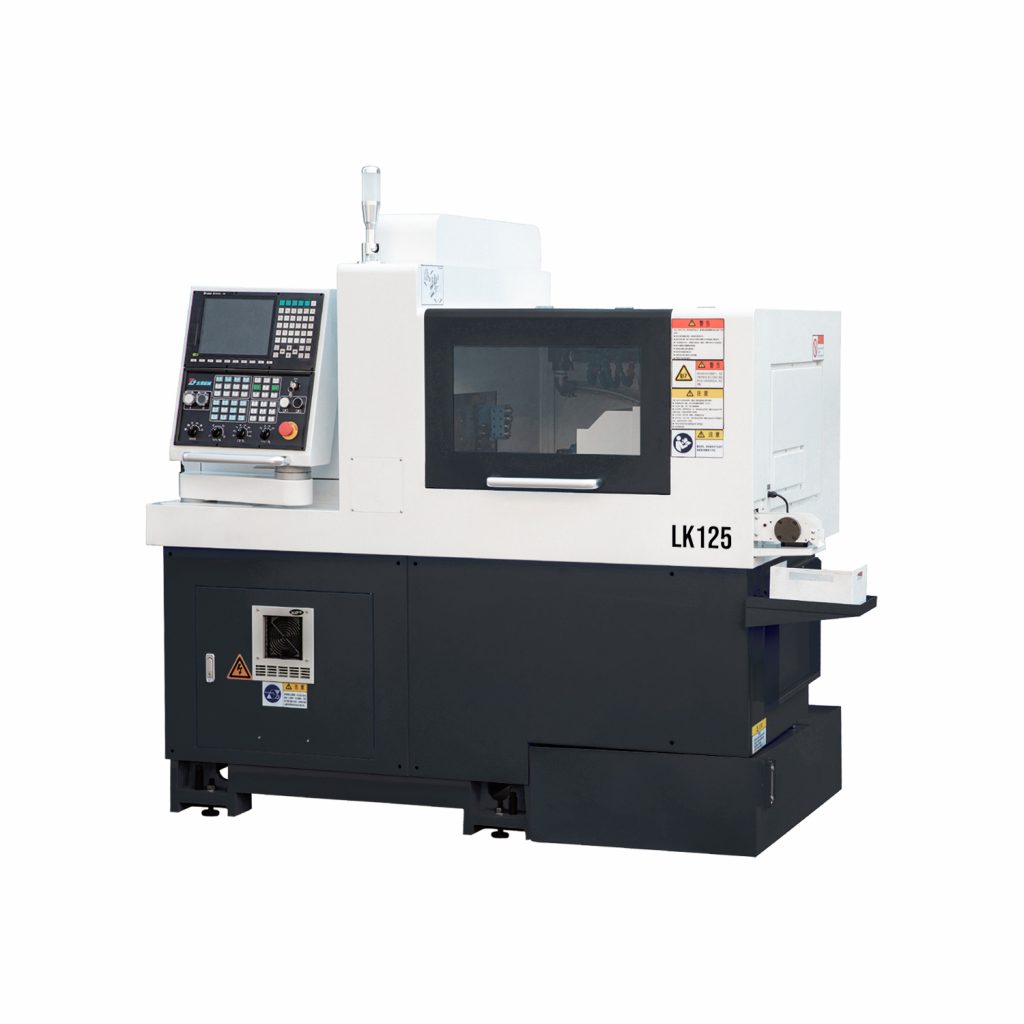
Deeper Layer — Where Traditional Solutions Fail
I want to be clear: most teams try standard fixes first. They swap inserts, slow spindle speed, tweak coolant. But those moves often miss the root cause. When I look deeper I always check the selection of cnc lathe tools right away. The wrong geometry or feed setting can create chatter, uneven wear, and hidden vibration that you only spot after hours of parts — not during one quick test run. I’ve seen a tool turret with fine indexing tolerance still cause micro-burrs because the live tooling wasn’t properly matched to the material. Servo drive tuning, tool offset calibration, and poor program probing all add up. Look, it’s simpler than you think: the tool and the machine must speak the same language — spindle speed, tool turret alignment, drive stiffness.
Engineers tend to treat symptoms. They reduce cutting speed and hope for the best. That can work short term but it reduces throughput and covers up problems. I prefer to isolate variables. First check the tooling holder and insert fit. Next verify CNC controller offsets and test for runout with a dial indicator. Finally, review the CAM post-processor; wrong lead-in moves can change chip load. These are small items, but they compound fast — and when they do, you lose more than time. — funny how that works, right?
Why does this matter?
Because hidden faults cost money. We lose seconds per cycle that add up to hours per week. We also risk false fixes that hide the real issue — and the next batch fails the same way. I’ve learned to chase the root, not the symptom.
Forward Look — Principles for Better Tooling and Machines
What’s next for shops that want to avoid repeat problems? I focus on principles rather than single fixes. First, design for compatibility: match inserts, holders, and live tooling to the material and cycle. Second, monitor the system: simple sensors on spindle load or vibration give early warning. Third, plan for flexibility: multi axis setups and modular fixtures help. When we apply these principles, we reduce rework. Also — I like to test small batches and measure: runout, tool life, and cycle time. Those numbers tell a clear story.
On the equipment side, newer control logic and better sync between turret indexing and spindle rpm cut setup time. If you are investing, consider multi tasking cnc machine tools like multi tasking cnc machine tools that combine turning and milling in one setup. That removes transfers and reduces stack-up errors. It also forces you to think holistically about fixturing, cutting forces, and coolant strategy. We’ve seen shops double first-pass yield after reorganizing work to exploit these machines — not always overnight, but over a few runs.
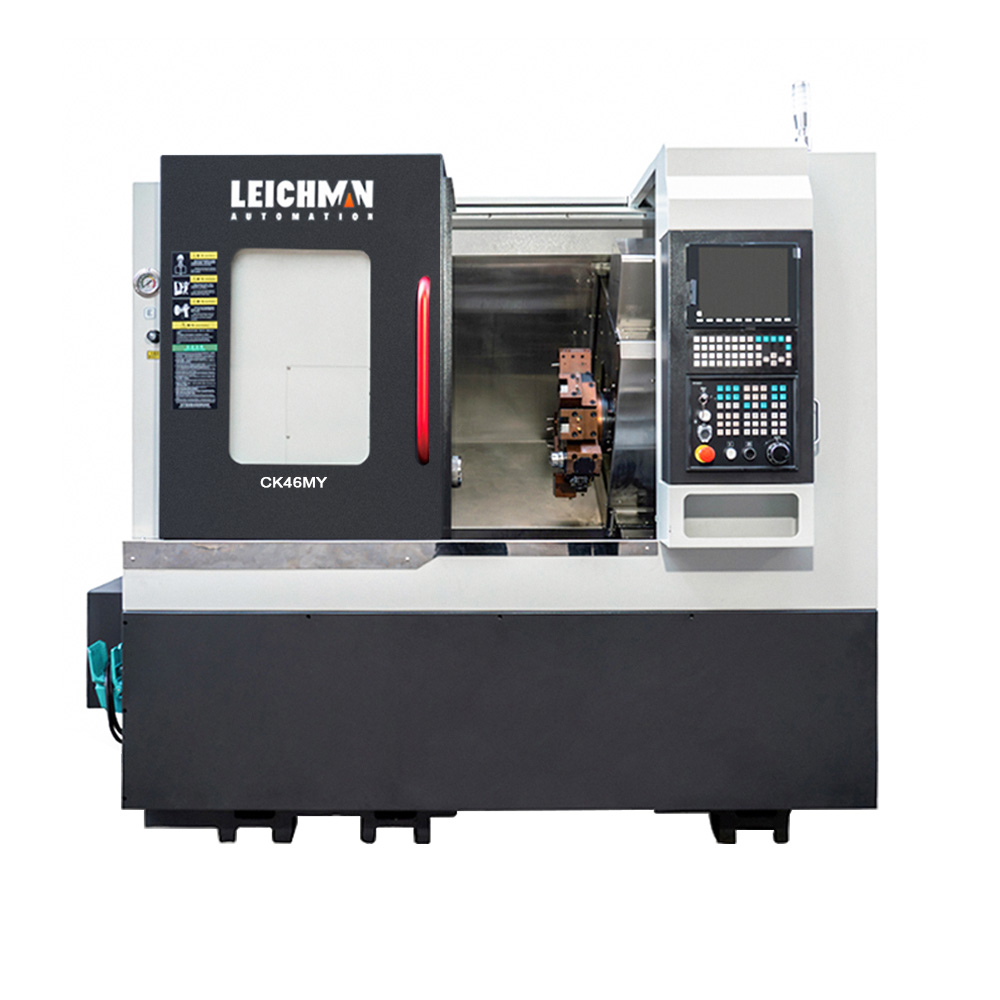
What’s Next
My practical take: don’t overcomplicate. Start small, measure, refine. Oh, and keep communication tight between the programmer, the operator, and maintenance — that’s where most gains happen. — and yes, sometimes the simplest change is a better clamp.
Closing — How to Evaluate New Tooling and Machines
I’ll leave you with three metrics I use when choosing tooling or a new machine. They are simple. They work.
1) Stability under load — measure spindle load variation and runout. If a tool shows spikes, it will bite you in production. 2) Effective cycle time — look beyond the advertised RPM; test real cuts with your material and program. 3) First-pass yield change — track scrap or rework after the change for at least 100 parts. Those numbers tell you if the buy was worth it.
I’ve spent years refining these checks and learning from mistakes. I prefer practical fixes that keep the shop running and the parts passing inspection. If you want a reliable partner that understands tooling, machines, and results, check out Leichman. They’ve helped teams I work with get repeatable wins.