Why the frontline hates the gear (true story + data + question)
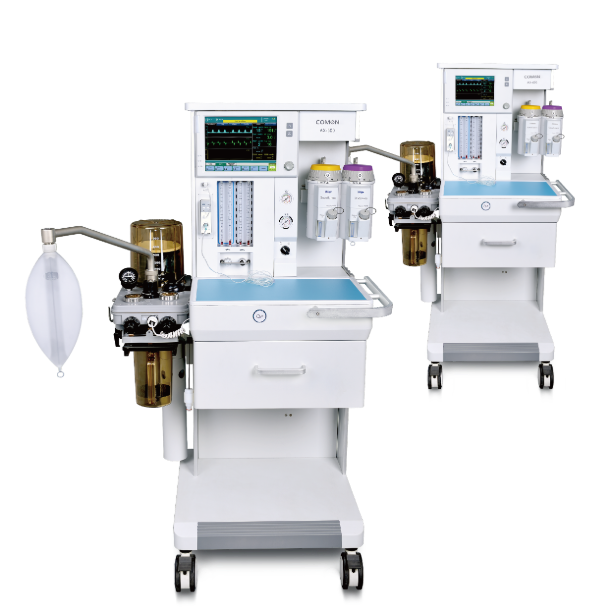
I was on call at a 300-bed community hospital in Chicago when an old vaporizer slipped a seal; I watched the monitor drop to 82% O2 for ten tense seconds—this is why I started rethinking anesthesia equipment from the clinician’s side of the table. The anesthesia machine coughed, the team improvised, and we avoided a bad outcome—so how many ORs are running on that same roulette wheel right now?
What’s frustrating in the OR?
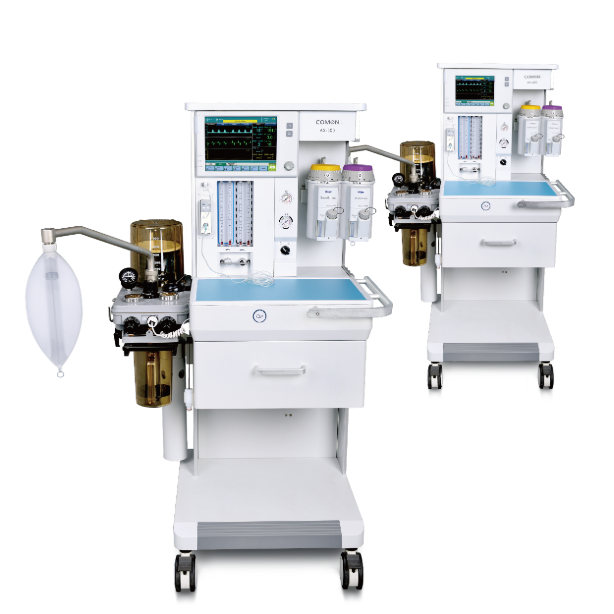
I say this as someone who’s bought, repaired, and trained teams on gear for over 15 years: I vividly recall swapping a faulty flowmeter on a Datex unit at St. Mary’s in May 2018 and losing twenty minutes while the surgeon stared at me. That delay cost the department time and trust. The pain points aren’t glamorous—poor ergonomics, opaque alarms, hard-to-clean interfaces, and duct-taped fixes. Vaporizer seals, scavenging hookups, and circuit (circle system) complexity often hide failure modes until they bite.
Deep dive: where traditional solutions fail (user-focused, practical)
I’ve audited inventory in five hospitals and the pattern is the same—teams adapt to flaws rather than the machine adapting to the user. Traditional fixes are incremental: replace a gauge, tighten a fitting, add a checklist. Those band-aids ignore systemic issues like confusing alarm hierarchies, non-intuitive fresh gas flow controls, and service schedules that don’t match actual use. In one contract I negotiated in 2020, a vendor promised quarterly PMs but the unit was actually used 18 hours a day in a trauma center; the mismatch created blind spots (and real risk).
How does that translate to users?
In short: clinicians hack. We mount labels, we bypass alerts, we keep cheat-sheets taped to carts. That’s inefficient and dangerous. I’ve seen ETCO2 modules ignored because the alarm logic screamed false positives; I fixed that by reconfiguring alarm thresholds and training the crew—result: fewer aborts, faster case starts. Small tweak. Big impact.
Forward-looking fixes: comparative and practical
Now I shift gears. If you’re buying or upgrading, treat this like a hardware + software decision. Compare interface clarity, maintenance transparency, and component modularity. I benchmark units by three axes: mean time to repair (MTTR), intuitive controls under stress, and vendor transparency on consumables. Wait—don’t just look at specs. Ask for live demos with your nurses and anesthetists under simulated stress. I did that in 2021 with two suppliers; the differences were obvious within twenty minutes.
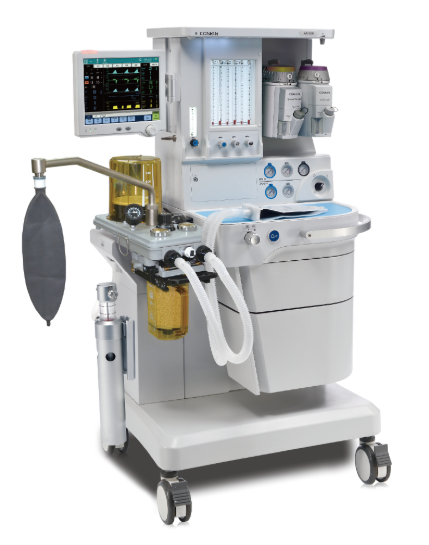
Technically, aim for systems with clear fresh gas flow displays, modular vaporizers, accessible scavenging ports, and simple circuit exchange paths. Prioritize ETCO2 integration and durable flowmeters. Also check service logs—real uptime beats glossy brochures. I recommend testing a unit in your actual OR bay for at least a week; the wear patterns and workflow clashes surface fast. Hold on. That hands-on week will save you months of troubleshooting later.
What’s Next for procurement?
We move from problem-spotting to measurable choices. Here are three evaluation metrics I use as a consultant and retailer (and that wholesale buyers should demand):
1) Mean Time To Repair (MTTR) — measure how long routine fixes actually take on your site; shorter is better. 2) Usability Score under stress — run a simulated emergency and score how fast staff can find and correct issues. 3) Total Cost of Ownership over 5 years — include consumables, service labor, and downtime penalties. These metrics cut through marketing noise and surface the real operational cost.
I’ve lost count of times a small checklist change or a different vaporizer saved a day’s worth of cases. Real talk: the right choice reduces hassle, frees up staff, and improves patient safety. Come prepared, test in situ, and insist on clear service SLAs. For sourcing that balances engineer-friendly design with clinician workflow, check options like modern anesthesia equipment and demand hands-on trials. I’ll sign off with one practical reminder—train while you buy; the learning curve should be in the vendor’s timeline, not yours. — COMEN