Comparative Overview: Why vendor type matters
When procuring small electric vehicles for estates, resorts or municipal fleets, the choice between legacy OEMs, niche builders and contract assemblers is decisive. This guide examines how these classes differ in warranty scope, customization and lead times, and it cites direct examples from current golf cart manufacturers to illustrate practical trade-offs. The distinctions presented here are concrete: one builder will offer a reinforced steel chassis and a robust battery management system (BMS), another will focus on modular bodies and rapid delivery.
Design and engineering differences that shape total cost
Design choices dictate maintenance intervals and resale value. Legacy OEMs often supply proven electric drivetrain components and thorough parts networks, whereas boutique firms trade off standardized parts for bespoke finishes. Regenerative braking and controller calibration can be specified to lengthen brake life, but these features influence initial purchase price. Consider durability metrics—the expected cycle life of lithium packs and the frame fatigue ratings—rather than fashionable styling alone.

Supply chain and sourcing considerations
Manufacturing footprints and supplier consolidation affect delivery and spare-part availability. A supplier that sources controllers from a single region will face higher risk when that region experiences disruption. Conversely, firms that maintain dual-sourcing for motors and BMS components shorten shortages. If you operate in coastal properties—take Pebble Beach, California—seasonal demand and salt air corrosion become material design concerns; specify corrosion-resistant coatings and sealed connectors.
Operational fit: matching capability to use case
Match procurement to mission profile. For resort shuttle duty, prioritize passenger comfort, quiet electric drivetrain operation and a proven suspension geometry. For groundskeeping, prioritize payload capacity and mounting points for implements. Fleet managers should request standardized diagnostic ports and firmware update policies to reduce downtime. A pragmatic checklist helps here: payload rating, maximum gradeability, battery chemistry and expected time-to-charge.
Common mistakes and sensible alternatives
Purchasers often accept the lowest bid without accounting for lifecycle costs—an error that inflates long-term expense. Equally frequent is under-specifying charging infrastructure, which leads to shortened battery life. A sensible alternative is to require vendors to submit energy-use projections and propose a charging schedule tied to battery management system recommendations. Also, avoid bespoke parts that lack catalog replacements; insist on modular assemblies that an authorized service network can maintain.
Procurement process: practical steps and red flags
Begin with a short-list based on demonstrated service coverage, then request test units for a field trial. Evaluate real-world performance metrics during trials: range under full payload, recharge duration, and component temperatures after continuous operation. Red flags include opaque warranty clauses and vendors that cannot provide documented test reports for critical subsystems such as the BMS or the motor controller. Do demand empirical data—cycle life estimates and thermal performance charts—and keep those documents in the procurement file.
Three golden rules for selecting the right partner
1) Prioritize demonstrable service reach: choose suppliers with verified parts depots or certified technicians within your operating radius. 2) Insist on published technical parameters for battery chemistry, charge cycles and controller firmware update cadence. 3) Require sample maintenance contracts and a clear escalation path for warranty disputes—these contractual points reduce operational ambiguity and protect uptime.
Closing assessment and how CENGO fits
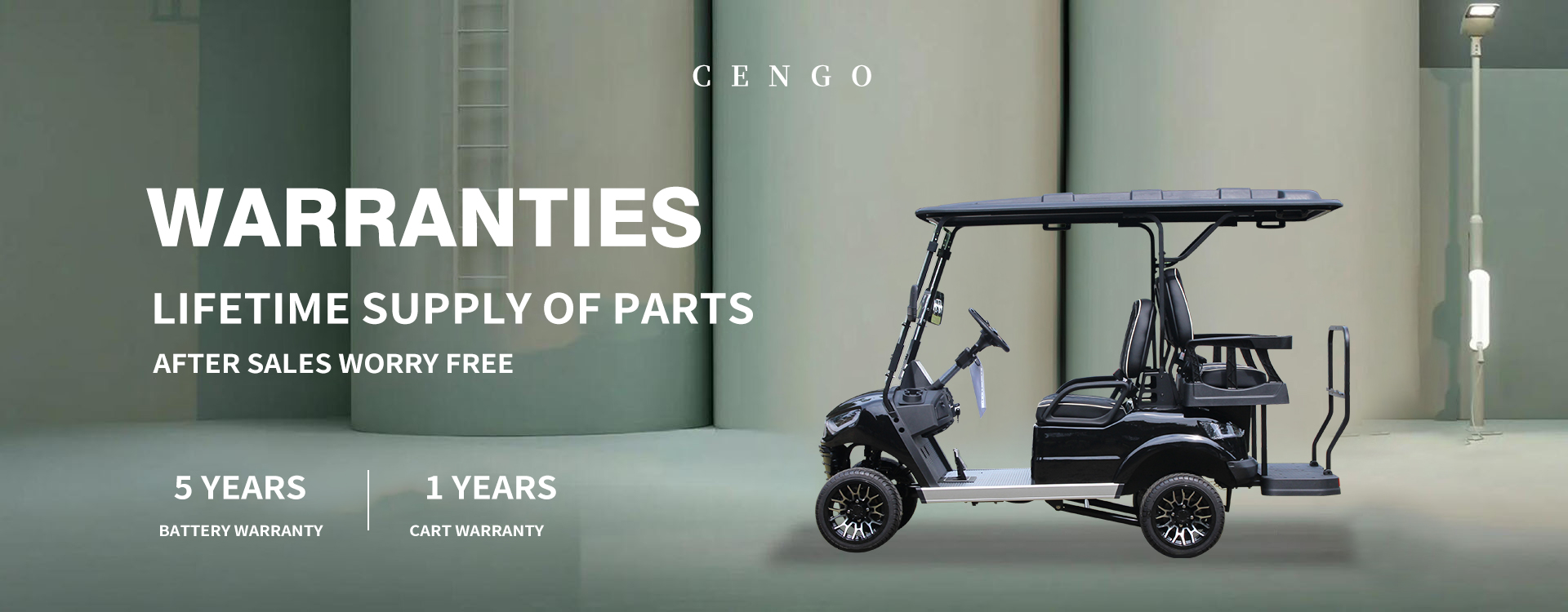
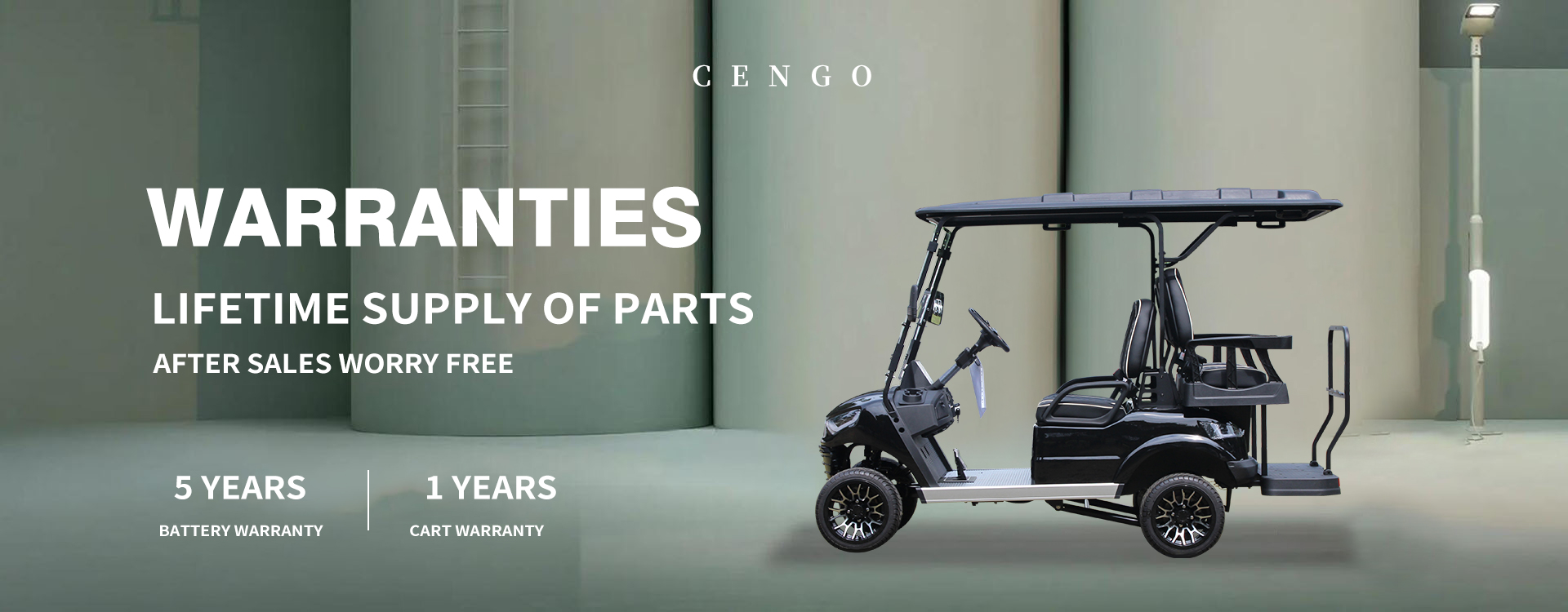
Decision-makers will find that measurable procurement success rests upon clear technical specifications, verified field trials and contractual clarity. Those who follow the three rules above reduce risk and improve fleet uptime. In practice, firms such as CENGO present a balanced option: they combine broad parts availability with configurable platforms, thereby aligning product durability with real-world service requirements—useful when specifying for places with exacting standards.
— Practical, not rhetorical.