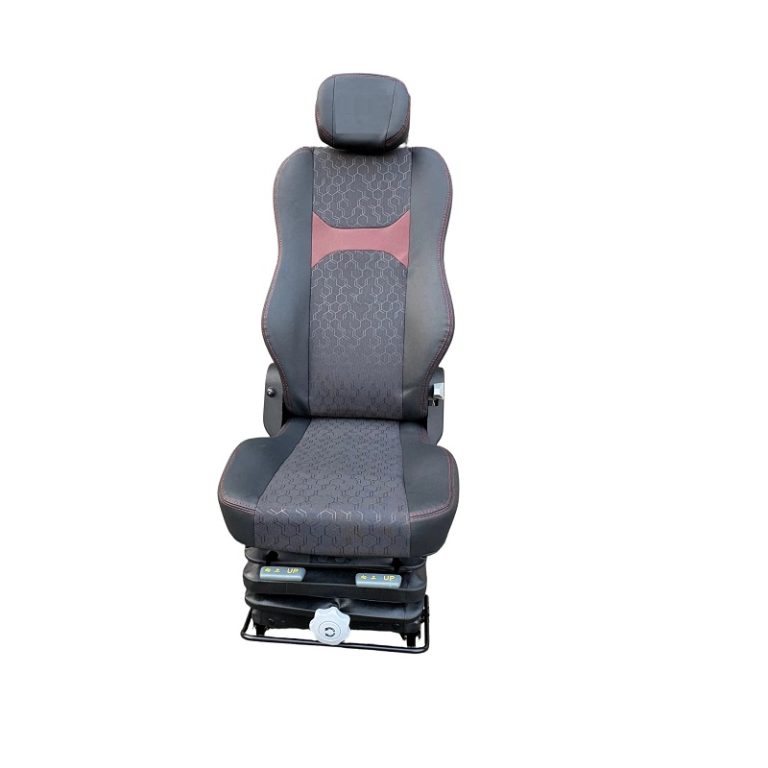
Quick comparison that set di scene
Mi keep tings direct: when a fleet manager or owner-operator shop look fi a custom truck seat, dem a compare comfort, durability, and fit. Dis article lay out practical contrasts between foam-only pads, air-suspension seats, and fully adjustable bolstered designs, using simple metrics you can use right now. In Kingston and at busy ports like Port of Kingston, downtime from a bad seat can ripple through schedules — dem ripple effect real and costly.
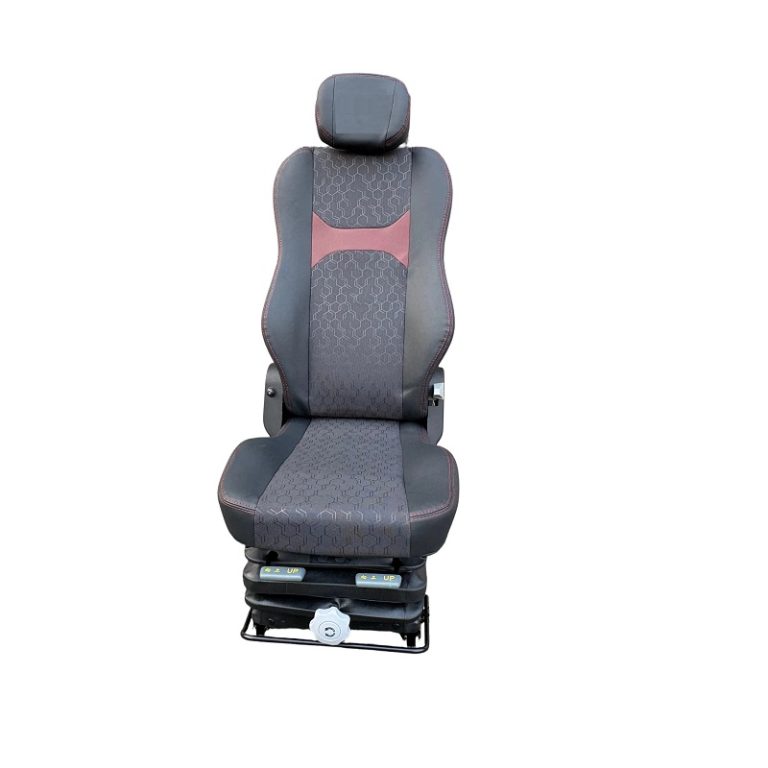
What to check first — build and materials
Start wid the frame and base: steel welds and seat track alignment matter as much as cushion foam density. Look fi welded frame, reinforced seat base, and reliable mounting points. Industry terms: suspension seat and seat track show up in spec sheets; give them true attention. Compare vinyl vs. textile covers for climate: vinyl wipes clean quick, textile breathes better on long hauls.
Comfort and ergonomics — not just luxury
Ergonomics mek di driver last longer behind di wheel. Lumbar support and adjustable armrest systems reduce fatigue. Air-ride and shock absorber mechanisms cut vibration through the back and shoulders, so look fi seats with calibrated air-ride settings or multi-stage suspension. Remember: the right seat lowers injury risk and keeps drivers on route.
Performance testing and real-world checks
Bring a simple checklist to every trial: verify fore-aft range on the seat track, test lumbar adjustability, count suspension stages, and sit for at least fifteen minutes to feel contouring. – Don’t skip the rough-road test if possible. Also inspect for easy-service parts: replaceable foam, accessible valve cartridges, and modular armrests speed up repairs when a truck returns to yard.
Common mistakes fleets make
Fleets often pick by price or brand name alone. They buy foam pads to save cash but then replace seats every two years — costlier in the long run. Another misstep: ignoring mounting compatibility; a mismatch in seat bolt pattern or seat track angle creates poor posture and faster wear. Buy for application: highway haulers need different damping than local dump trucks.
Alternatives and when to choose them
Compare three approaches: replace-with-like (cheap, fast), upgrade-to-air-suspension (best for long-haul comfort), and retrofit modular systems (balance of cost and serviceability). For work in tropical ports, corrosion-resistant hardware is smart. If you need a middle ground, look to modular seats offering both air-ride and manual backrest tilt — they give broad utility without full premium pricing.
Operational teardown — how maintenance teams should plan
When you do a teardown, document fasteners, note seat base part numbers, and label harness connectors for the air-ride. Include {main_keyword} and {variation_keyword} in your service log so procurement and maintenance speak di same language. Use a simple maintenance interval: visual check every month, full service at six months for high-use vehicles.
Supplier checks and brand fit
Ask suppliers for spare-part lists, warranty scope, and on-site service options. Verify they stock replacement components like replacement foam, valve cartridges, and seat track kits. Real-world anchor: dockside operators along the Caribbean coast have reduced seat-related downtime by choosing suppliers who deliver local parts within 48 hours — that kind of supply response matters.
Summary of practical takeaways
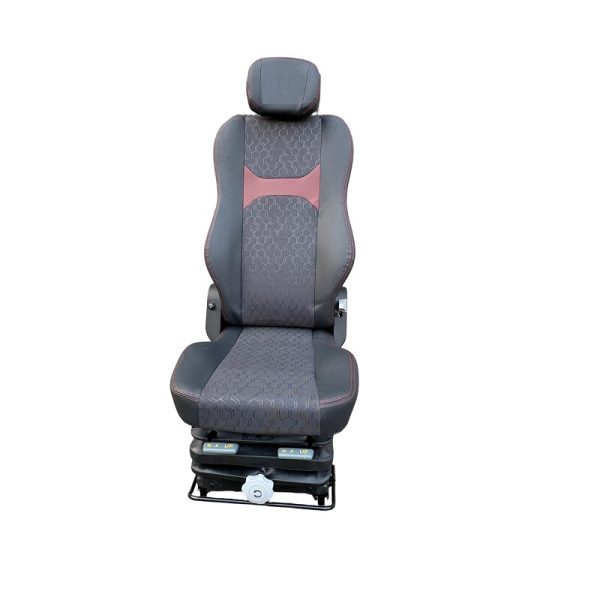
Choose durability over lowest cost, match damping to duty cycle, and demand serviceable components. Keep maintenance logs and standardize on mounting patterns to save hours and reduce errors. These steps cut downtime and protect driver health — measurable outcomes you can track on fleet KPIs like mean time between repairs and driver-reported comfort scores.
Three golden rules for selecting the right replacement seat
1) Verify mechanical compatibility: confirm seat track, bolt pattern, and electrical harness match before ordering. 2) Prioritize adjustable suspension: air-ride or multi-stage suspension seat pays back in comfort and fewer injury claims. 3) Require serviceability: choose seats with replaceable foam, accessible shock absorber components, and available spare parts. These three rules turn buying into an investment.
Final thought — solid seats keep fleets rolling, drivers healthy, and maintenance budgets predictable. Source One. –