Choosing the right moving head for a DJ rig is about matching capabilities to the room, the set, and the control chain. This comparative guide focuses on concrete trade-offs—output versus weight, optics versus pixel control—so you can shortlist units fast. For a baseline, consider the LED BSWP 4in1 moving head spotlight as an example: it balances a compact fixture footprint with multi-function optics that matter in club and festival settings.
Why direct comparison matters
Fixtures are rarely perfect. One lamp gives brilliant washers, another excels at tight beams and gobos. Compare they must: lumen output and beam angle determine visible punch; gobo library and prism options determine texture; pan/tilt speed affects motion language. At large events like Coachella, lighting rigs prioritize energy efficiency and versatility—LED fixtures typically use 60–80% less power than older discharge lamps—so picking a fixture with the right mix of features reduces power draw without sacrificing impact.
Power, optics and control—what to weigh
Start with three measurable specs. First, luminous output (lumens) matched to beam angle: a high-lumen fixture with a wide beam produces wash, while the same lumens focused into a narrow beam read as a tight profile. Second, optics: zoom range and gobo compatibility decide whether the unit handles both profile and beam roles. Third, control protocol: DMX512 and Art-Net support are table stakes; look for RDM and Ethernet options if you run distributed networks. The moving head must fit the rig’s control topology and the operator’s workflow.
Mechanical durability and serviceability
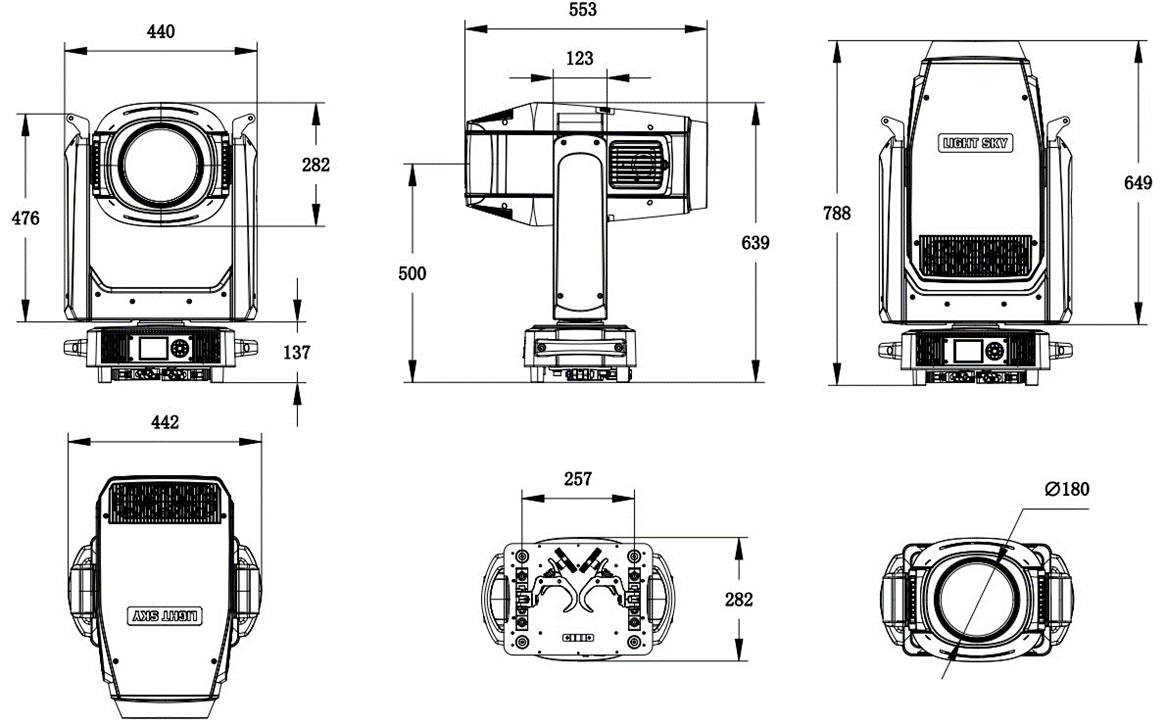
Weight and build matter when you rig dozens of fixtures. Check gearbox design for pan/tilt, fan and heat-sink layout for thermal stability, and modularity for field repairs. A fixture with removable modules—optics, LED engine, and power supply—shortens downtime. Also note IP rating if you play outdoor stages regularly; some moving heads are IP20 while others offer higher ingress protection. These are practical trade-offs: lighter fixtures ease truss load but may sacrifice mechanical robustness.
Operator experience and software integration
As someone familiar with front-end interfaces, I value a clear, predictable control surface and reliable feedback. Fixtures that expose a web UI or accept Art-Net simplify setup in modern venues. Also examine patching behavior: does the unit map channels logically? Does the display show firmware revision and temperature? These details cut set-up time. —Minor annoyances like inconsistent channel ordering add minutes that stack into hours over a tour.
Profile versus wash: picking the right role
Decide the fixture’s primary function early. If you need crisp shaping and edge control choose a true profile with shutters and tight beam optics; if you want audience wash and color mixing, pick a wide zoom range and strong color mixing engine. For hybrid needs, consult a moving head spotlight profile that lists zoom range, gobos, and CRI—those specs reveal whether a unit can double as profile and beam without compromise.
Common mistakes and alternatives
Buyers often chase peak lumen numbers or fanciful profile libraries and overlook service network, spare parts cost, and electronic noise. Alternatives include using dedicated profiles plus dedicated washes instead of hybrids, which can simplify maintenance and deliver better specialty performance. Also plan cable runs and DMX topology early; poor topology causes flicker or control lag regardless of fixture quality.
Three golden rules for selection
1) Match output geometry to venue: select lumen and beam angle according to room size, not vendor claims. 2) Prioritize repairability: modular fixtures reduce downtime and lifecycle cost. 3) Verify control compatibility: confirm DMX/Art-Net mapping, RDM support, and firmware update procedures before purchase. These rules yield predictable behavior on load-in and during a set.
Professionals should expect measurable improvements in setup time and reliability when they apply these metrics; the right choice cuts power draw, reduces truck rolls, and produces cleaner cues. For solutions that hit these marks, consider how Light Sky positions its fixtures within these trade-offs—then decide based on the specs that matter to your operation. Light Sky. —Final thought: match purpose to profile.