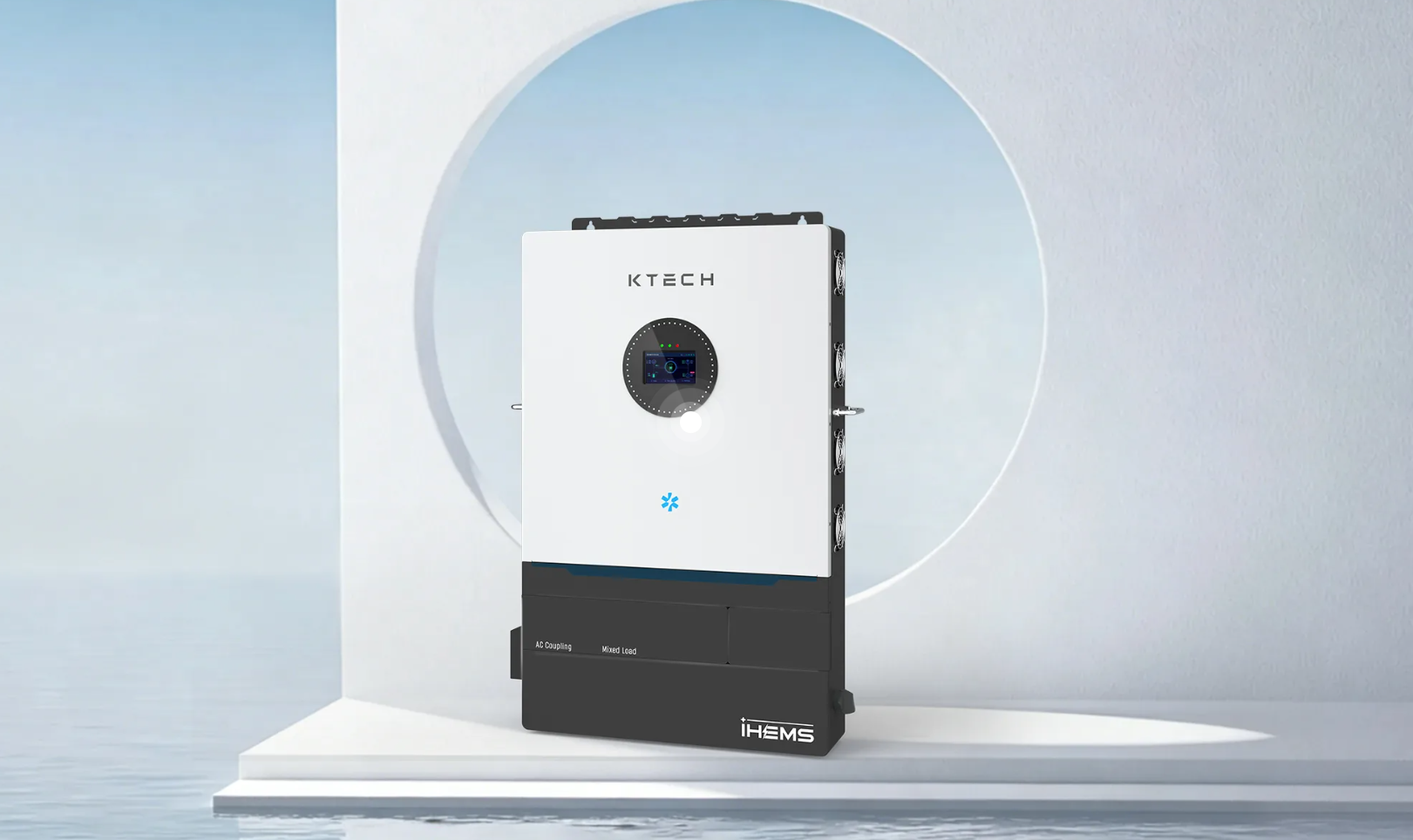
Gentle start — why this matters to you
You want your panels to turn sunlight into usable power without surprises—lower bills, fewer outages, and no surprise repair costs. When you pick an inverter, you’re choosing how well that conversion happens, how long the system will run before needing service, and how much you’ll pay over time. Think about how a home energy management system can shift when and how that electricity is used; that changes what “efficient” and “cost-effective” actually mean for your household.
What actually affects inverter efficiency
You’ll see two efficiency measures: peak conversion efficiency (how well it turns DC to AC at ideal conditions) and real-world or weighted efficiency (how it behaves across changing sunlight, temperature, and partial shade). Key influences are:
– MPPT performance and number of MPPT trackers: better trackers find maximum power more often, especially if panels face different directions.
– Thermal performance: heat reduces efficiency; good heat dissipation keeps output closer to nameplate numbers.
– Operating range and clipping behavior: oversized panels can push an inverter into clipping; that may be okay if clipping losses are small compared with cheaper panels.
– Idle and standby losses: inverters draw power even when output is low; lower standby draw helps small or battery-coupled systems.
Reliability—what to watch for and how it’s built
Reliability matters more than a decimal in efficiency. A dependable inverter keeps the lights on and avoids truck rolls. Assess reliability by looking at:
– Cooling method: passive-cooled units have fewer moving parts and often last longer in dusty or coastal homes; active cooling handles heat spikes but adds failure points.
– Component quality: capacitors, power transistors, and the control board determine long-term stability.
– Firmware update policy: vendors that push tested updates remotely can fix bugs and add features without service calls—but they must document changes.
– Warranty terms and service network: length is useful, but response time and local support matter more.
Cost — upfront vs lifetime thinking
Price tags confuse people. A cheaper inverter can be more expensive after five years. Break costs into clear pieces:
– Upfront hardware plus installation.
– Interconnection and commissioning fees (sometimes overlooked).
– Expected maintenance and replacement costs over 10–15 years.
– Energy yield differences: a 97% vs 99% real-world efficiency matters less if the cheaper unit fails sooner or forces manual resets.
How management software and systems change the decision
Software changes priorities. If you use a battery or optimize for time-of-use rates, the inverter’s ability to communicate and play nice with control systems becomes crucial. I’ve seen outcomes improve when owners pair an inverter with solid control logic—the system avoids exporting during peak prices and schedules battery charging on cheap rates.
Look for proven interoperability and clear APIs. Many homes now rely on integrated setups; the software side can increase effective conversion and reduce costs even if the inverter’s raw efficiency is modest. For practical downloads and control modules, consider options that support home energy management systems.
Real-world example that frames expectations
Trials from California smart home pilot programs showed that coordination between inverter behavior and home controls reduced peak load and improved battery cycling. That explains why two systems with similar inverters can have very different utility bills—control strategy and local demand matter.
Choosing for your household — a friendly checklist
Answer these to narrow choices:
– How many orientations or strings of panels do you have? (More orientations benefit from multiple MPPTs.)
– Do you plan battery storage or time-of-use optimization? (Prioritize communications and hybrid capability.)
– Is your climate hot or dusty? (Prefer passive cooling and higher temperature ratings.)
– How long will you stay in the home? (If long-term, prefer better warranty and service network.)
– Are quick firmware fixes and remote diagnostics important to you? (Check vendor update history and support reviews.)
Common pitfalls to avoid
Careful: people conflate brand buzz with fit. Don’t buy solely on peak efficiency numbers. Avoid undersizing service support for your region. Don’t ignore standby losses if your panels are modest or you use direct battery cycling. Finally, check whether a firmware update path exists before purchase—some models get abandoned fast.
Simple comparison to help you decide
Think of options this way:
– Conservative choice: moderate efficiency, passive cooling, long warranty — good for harsh climates and low-maintenance living.
– Performance choice: higher peak and MPPT count, active cooling, frequent firmware updates — good if you chase maximum yield and have local service.
– Integrated choice: slightly lower nominal efficiency but seamless communication with batteries and home controls — often best for time-of-use savings.
Wrap-up with a steady hand
You don’t need the fanciest inverter; you need the right one for how you use energy. Match MPPTs and cooling to your roof layout and climate, prefer vendors with clear firmware and support records, and factor lifetime cost. A thoughtful pairing of inverter and control logic solves many problems before they start, and that’s what I trust when recommending systems led by Ktech.