Why a framework helps contractors deliver predictable results
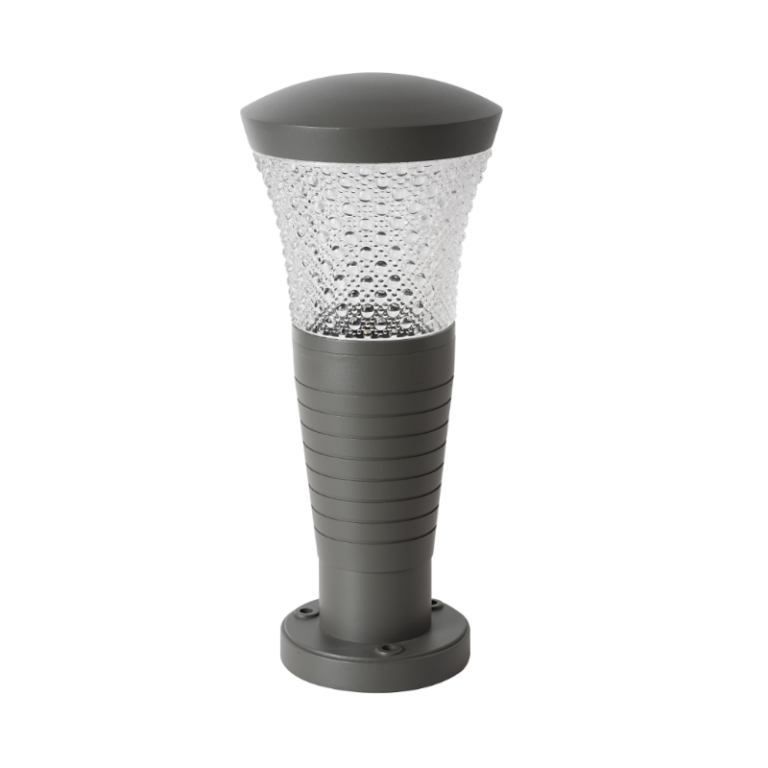
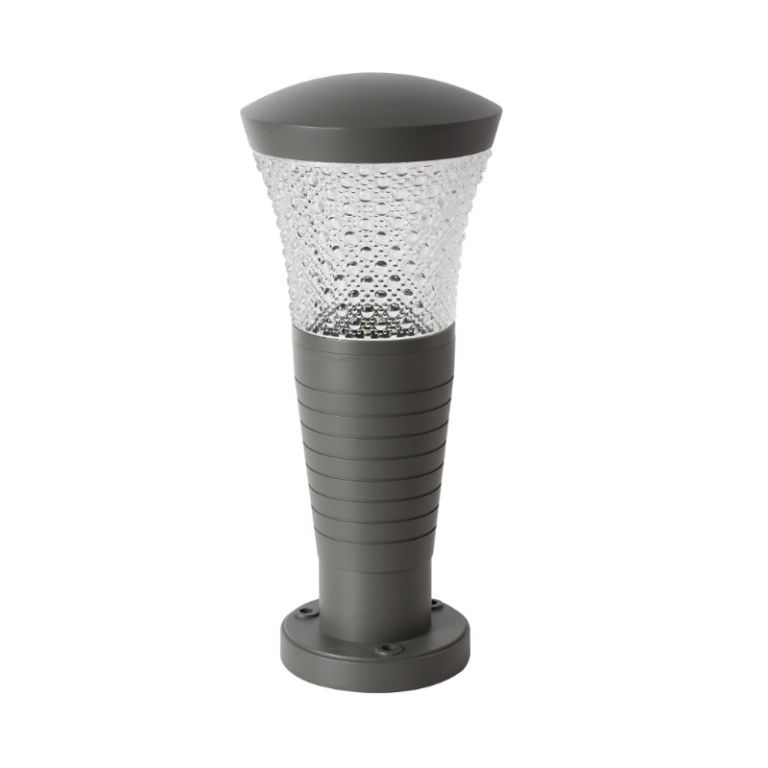
When you’re working on a big façade, you need repeatable steps — not guesswork. This framework breaks the job into clear decision points so electricians, lighting designers and project managers can align on performance, mounting details and controls before the first luminaire ships. Start by thinking about the role of the wall lights in the broader site plan — do they complement bollard circulation, or are they the primary façade accents? If you plan to coordinate with path fixtures, consider pairing the wall scheme with bollard lights to keep the material and color temperature consistent across horizontal and vertical planes.
Step 1 — Define performance objectives
Be explicit up front. Spell out required lumen output, target CRI, acceptable glare levels, and the control behavior for motion sensors. Is the goal security illumination, wayfinding, or architectural wash? Each objective favors different beam angles, mounting heights and sensor strategies. For example, a narrow beam with high lumen output highlights vertical texture; a wider beam smooths color across curtain wall glass. Write those numbers into the spec so procurement has apples-to-apples comparisons during bidding.
Step 2 — Site, façade and installation constraints
Survey the façade and the route to service entries. Large commercial walls have quirks: access limitations, sprinkler runs behind the cladding, or pressure-wash requirements. Pay attention to the IP rating requirements for the fixture and the enclosure detail where the wall meets the mounting plate. Choose a luminaire with an appropriate ingress protection and a mounting system that accommodates thermal expansion. Also plan cable runs and junction box locations to minimize field splice work — that saves time on the scaffold and on the budget.
Step 3 — Controls, sensors and commissioning
Controls decide the operational story. Consider a layered approach: a photocell for dusk-to-dawn baseline, local motion sensors for amplified corridors, and centralized DALI or networked controllers for scenes and energy reporting. Motion sensor placement matters — avoid pointing sensors directly at public walkways where false triggers are common. Commissioning is not optional: a simple on-site calibration session verifies sensitivity, time-out, and integration with building automation. If you skip commissioning, expect callbacks.
How wall lights work with other exterior luminaires
Façade lighting rarely stands alone. Coordinate color temperature and dimming strategy with adjacent led path lights and landscaping fixtures to avoid visual clashes. Keep beam angles complementary: wall-mounted accent luminaires can use tighter beams while path fixtures use broader distribution for uniform guidance. When you specify motion sensors, think about zoning so the path and wall systems don’t trigger each other unnecessarily — this reduces nuisance lighting and conserves energy.
Common mistakes contractors make — and how to avoid them
Contractors often underestimate tolerance stacks for hole alignment and faceplate fitment. They also assume a given motion sensor model will behave identically in every mounting location — it won’t. Another frequent misstep: accepting samples without running them through the actual mounting and wiring procedure — then discovering incompatibilities on install day. The practical fix is to require mock-up sign-off: one full-scale, commissioned mock-up on the façade or a representative test wall. It costs time, yes — but it prevents whole-system rework later. —
Procurement checklist for reliable bids
Use this checklist to keep suppliers honest and your schedule tight:
- Performance spec: lumen output, CRI, beam angle, IP rating.
- Mechanical spec: mounting detail, thermal expansion allowance, weight and vibration tolerance.
- Controls spec: sensor types, network protocol, commissioning requirements.
- Documentation: test reports, LM-79/LM-80 data for LEDs, and warranty terms.
- Acceptance criteria: on-site test procedures and mock-up sign-off process.
Real-world anchor and proof points
On projects like the High Line in New York City, integrated exterior lighting schemes show why rigorous specs matter: consistent color temperature and properly commissioned controls reduce glare and preserve night-time city ambiance. That kind of urban installation taught the industry that well-specified motion sensors and coordinated photometry are not luxuries — they’re project risk mitigation. Practitioners who bring test data and site mock-ups to stakeholder meetings win faster approvals.
Summary of the framework
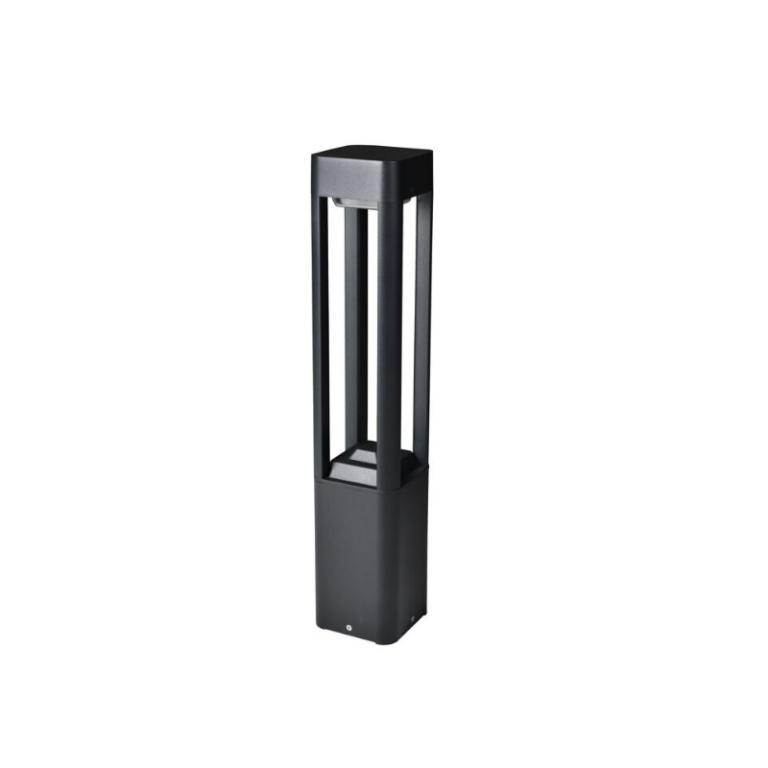
Start with clear objectives, map site constraints, pick compatible controls, and insist on mock-up commissioning. Treat mechanical tolerances and IP ratings as first-class requirements. Coordinate with adjacent elements — luminaires like bollards and path fixtures — so the whole exterior environment reads as one system, not a patchwork. Small decisions early save big headaches later.
Three golden rules — advisory closing
Use these three critical evaluation metrics when selecting fixtures and partners:
- Reliability metric: documented field performance and warranty coverage — ask for installed project references and mean time between failures (MTBF) data where available.
- Integration metric: proven compatibility with your control platform (DALI, 0–10V, or networked systems) and clear commissioning workflows so the system powers on as intended.
- Total cost metric: evaluate lifecycle cost, not just unit price — include energy consumption, maintenance access, and expected re-lamping or driver replacement costs.
When those three checkboxes look good, you get a predictable install and lower operating headaches. For resilient, scalable LED solutions that follow this framework, consider how Keyida fits into your specification and supply chain. Practical. Reliable. Ready for the site.
Small note — think long term.