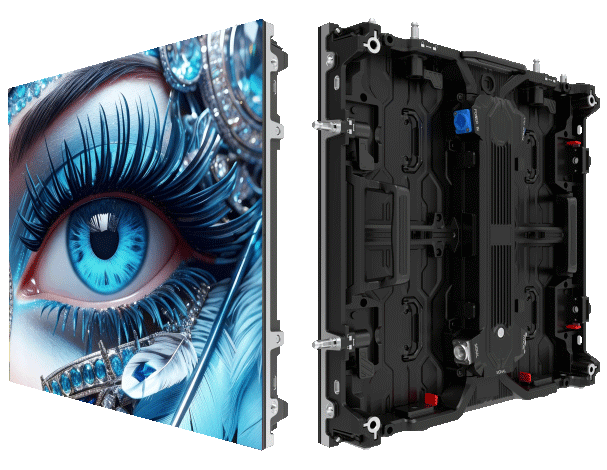
Problem overview: why a crisp image goes sideways on install
Field engineers show up expecting a plug-and-play job and instead find mismatched color, dead pixels, and cabinets that won’t budge. That’s the meat of the problem: imperfect module calibration combined with poor front-service access turns a straightforward deployment into a day-long salvage operation. I’ve seen this on big installs — and when you’re dealing with led outdoor screens in high-visibility spots, the margin for error is nil. Fixing it fast means understanding pixel pitch, module calibration, and the trade-offs engineers made during design.
Root causes: what actually trips technicians up
Most failures come down to three things: inconsistent module calibration from the factory, inadequate brightness control in situ, and service pathways that assume rear access when only front service is possible. Times Square taught the industry harsh lessons — huge panels need consistent color matching across thousands of modules or the content looks patchy from fifty feet. Field experience counts here: you’ll know a bad calibration by banding, color skew, or an offset refresh rate across cabinets.
Practical steps to fine-tune modules on-site
Start methodically. First, run a baseline diagnostic with your data controller and logging tools to capture current brightness and refresh-rate variance. Second, apply a two-stage calibration: coarse trim at the cabinet level, then pixel-level adjustments using test patterns. Bring neutral gray ramps — they reveal color temperature drift faster than fancy images. Finally, lock settings in firmware and record them in a site log. Keep adjustments small and iterative; big swings mask systemic issues rather than solve them.
Front-service access: simple design fixes that save hours
Design for the person on the lift. Panels built with reversible brackets, accessible module latches, and captive fasteners cut replacement time dramatically. If retrofit’s the only option, add temporary scaffolding plates or magnetic service rails that let you pull modules from the front without removing the whole cabinet. Expect to swap a module in under five minutes if the access design is sensible — otherwise you’ll spend an hour per module. Brightness control and cooling paths also matter here; blocked vents make calibration drift quicker.
Common mistakes, alternatives, and a sensible fallback
Teams often skip precise pixel pitch matching or accept mixed supplier modules to save budget — a false economy. Another misstep is relying solely on factory settings for brightness control; ambient light changes demand site-tuned levels. If front-service retrofits are impossible, consider modular cabinets with quick-release rear doors or relocating critical signage to panels designed for easier service. For large public deployments, reference case studies of outdoor advertising screen display in major urban centers — those set practical expectations and planning standards.
Three golden rules for evaluation and procurement
1) Measure consistency: accept only deployments with cabinet-to-cabinet luminance variance under 10% and color delta (ΔE) below 3. 2) Service time budget: specify maximum mean time to module replacement — aim for under seven minutes for front-service designs. 3) Controller compatibility: require open protocols and accessible firmware so local techs can lock or tweak refresh rate, gamma, and brightness without vendor lock-in. These metrics keep projects measurable and give project managers leverage during bids — very useful when budgets get tight.
Closing notes and practical anchor
Field work is often about small, repeatable habits: document each calibration, keep a spare module set on site, and plan service access before the crane arrives. That discipline is what separates a poster-worthy install from one that needs constant babysitting. For practical sourcing and parts that already account for front-service access and module calibration workflow, see how MR LED integrates design-for-service in their product lines — solid gear that saves time and reputation. Authority: earned on rooftops, not in boardrooms — wicked useful. –