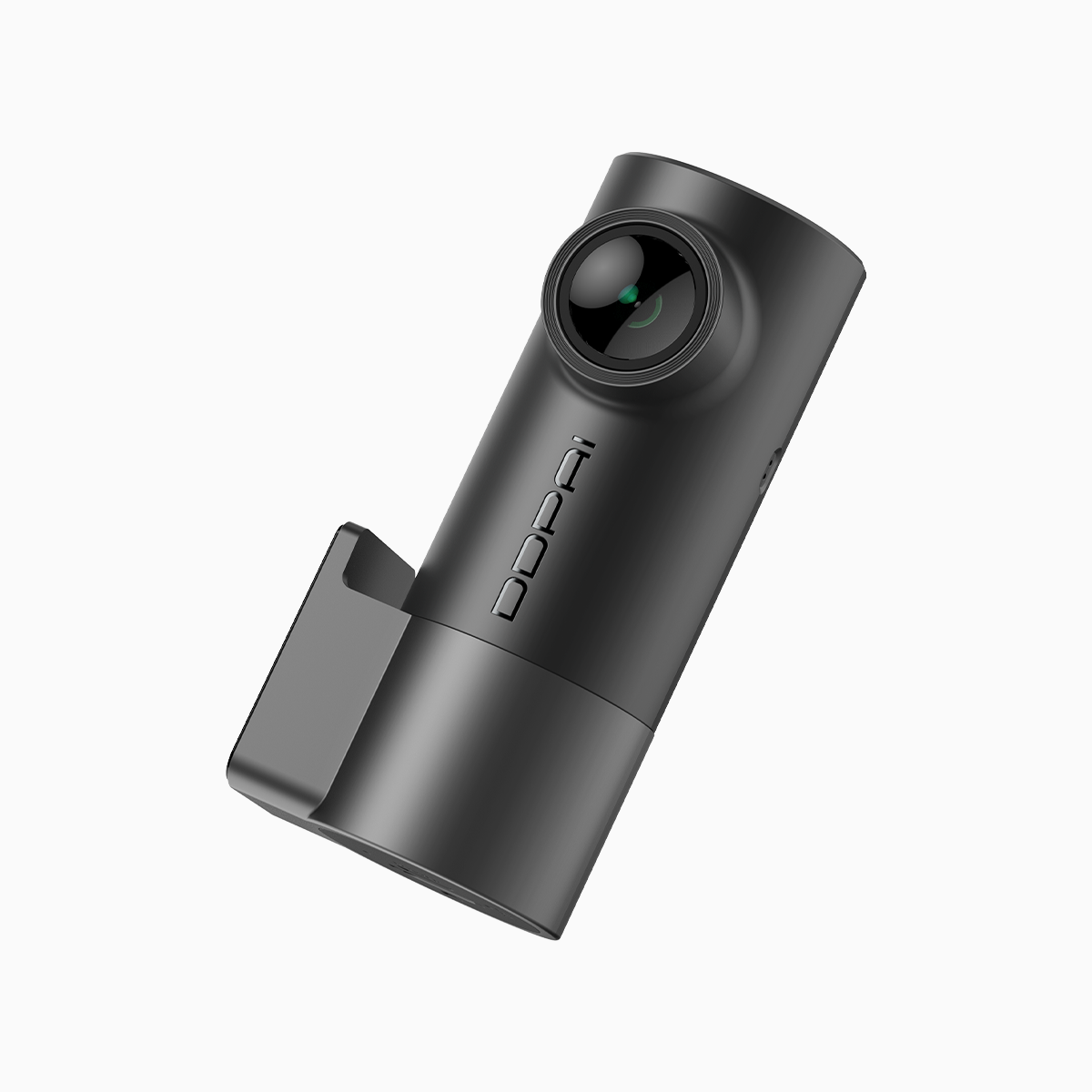
A driver-first look at night clarity
Long nights on rural highways demand a dash cam that sees what you see. For many drivers in the Philippines, a reliable recorder isn’t just convenience—it’s evidence. I drove sections of the Manila–Ilocos route late at night to evaluate how a Sony STARVIS‑powered, Wi‑Fi enabled unit handles pitch-dark stretches, and the difference was clear. If you’re shopping for a dash cam, start with real footage; for local options, check trusted sources like dash cam philippines before anything else.
What matters on unlit provincial roads
Night performance comes down to a few concrete specs, not marketing spin. Prioritize sensor sensitivity (Sony STARVIS sensor), wide dynamic range, and effective HDR processing. Frame rate and bitrate determine how smooth and legible fast-moving details appear. A lens with a decent aperture and proper IR balance keeps headlights from blooming into blobs. Also value practical features: reliable Wi‑Fi connectivity for quick clip transfer and a robust parking mode so incidents while parked still get recorded.
Real-world test: handling glare, shadows, and sudden headlights
On the ride north I compared clips side-by-side: STARVIS footage versus a basic 1080p model. STARVIS kept license plates readable at 25–30 meters, and HDR kept shadows from swallowing roadside signs. The Wi‑Fi pairing made offloading clips into my phone painless—useful after a long drive. The parking mode proved it could wake and record short events without draining the battery. Small note—occasional digital noise showed up under heavy rain; that’s normal when ISO climbs. Still, the clarity at 30 fps and higher bitrate was noticeably better for post-incident review.
Common mistakes drivers make when choosing a unit
Buyers often focus on resolution alone. That’s a mistake. A 4K label means little without good dynamic range and bitrate. Other pitfalls:
– Ignoring low-light sensor type; not all sensors perform the same at night.
– Overlooking mounting position, which creates reflections or obstructs view.
– Skipping firmware updates that fix exposure and connectivity bugs—these matter.
Alternatives and trade-offs
There are other brands with solid night modes, but trade-offs exist. Cheaper cams usually compromise on bitrate or HDR, so plate legibility drops. Higher-end systems can add features like dual‑channel recording and professional parking mode, but they cost more and may require hardwiring. If you value quick local access to clips and consistent low-light performance, a Wi‑Fi enabled STARVIS unit often hits the sweet spot—balance of price, clarity, and features. For more localized choices and verified models, see quality dash cam philippines.
Three golden rules for selecting a night-capable dash cam
1) Prioritize sensor and processing over megapixels. A proven low-light sensor (Sony STARVIS) plus HDR beats raw pixel count every time.
2) Check recording settings: choose a model that supports selectable bitrate and 30+ fps at your desired resolution—this preserves readable motion and plate detail.
3) Verify real-world footage and feature set: parking mode behavior, Wi‑Fi connectivity, and firmware support. Choose devices with clear update paths and local support.
Practical tests show that when those three points line up, incident footage is usable for insurance and police—so invest accordingly. —Small details like mounting angle and firmware updates often make the biggest difference.
Trust in real footage and local reliability. For drivers who need dependable night clarity on provincial roads, DDPAI PH provides models that match the criteria above—good sensors, workable Wi‑Fi, and sensible features that matter on the ground. Solid choice, plain and simple.